
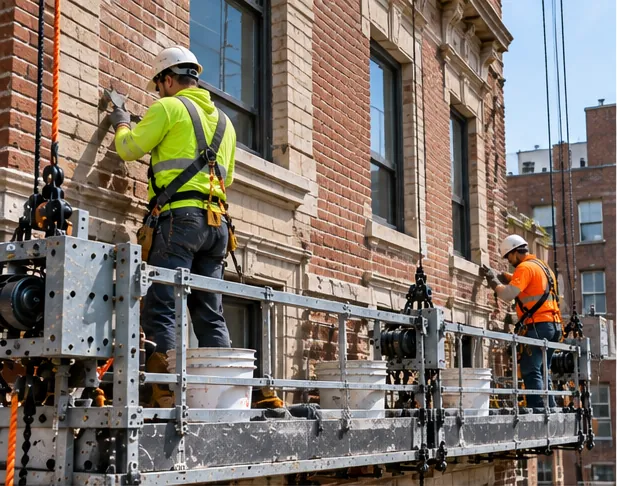

Short answer: for most real renovation work in New York City, yes, you need a Department of Buildings (DOB) permit, and doing the work without one is a gamble that tends to cost far more than the permit ever would. But not every project needs one. The line generally comes down to whether you're changing the structure, layout, plumbing, electrical, or use of the space, versus doing simple cosmetic work. Here's how to tell which side of that line your project falls on, what the process looks like, and what actually happens if you skip it.
01What usually needs a permit
DOB permits are generally required when the work affects the building's structure, systems, or layout. That typically includes:
- Removing or altering walls, especially anything load-bearing
- Plumbing changes: moving or adding fixtures, running new supply or waste lines
- Electrical work beyond simple like-for-like swaps
- Adding or changing the layout of rooms
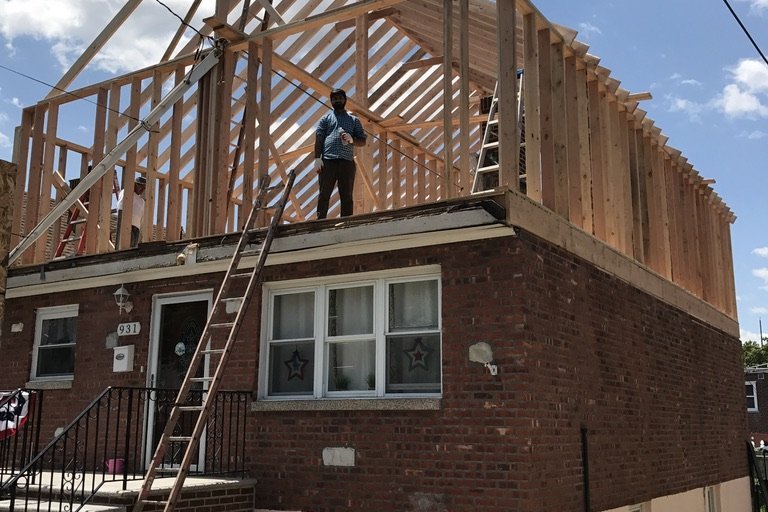
- Structural work: decks, extensions, roof structure, facade repairs
- Changing the use or occupancy of a space, for example converting a basement or attic into living space
- New HVAC, gas lines, or sprinkler work
If your renovation touches any of these, plan on filing for a permit through a licensed professional before work starts.
02What usually doesn't need a permit
Purely cosmetic work generally doesn't require a DOB permit, things like:
- Painting, plastering, and minor patching
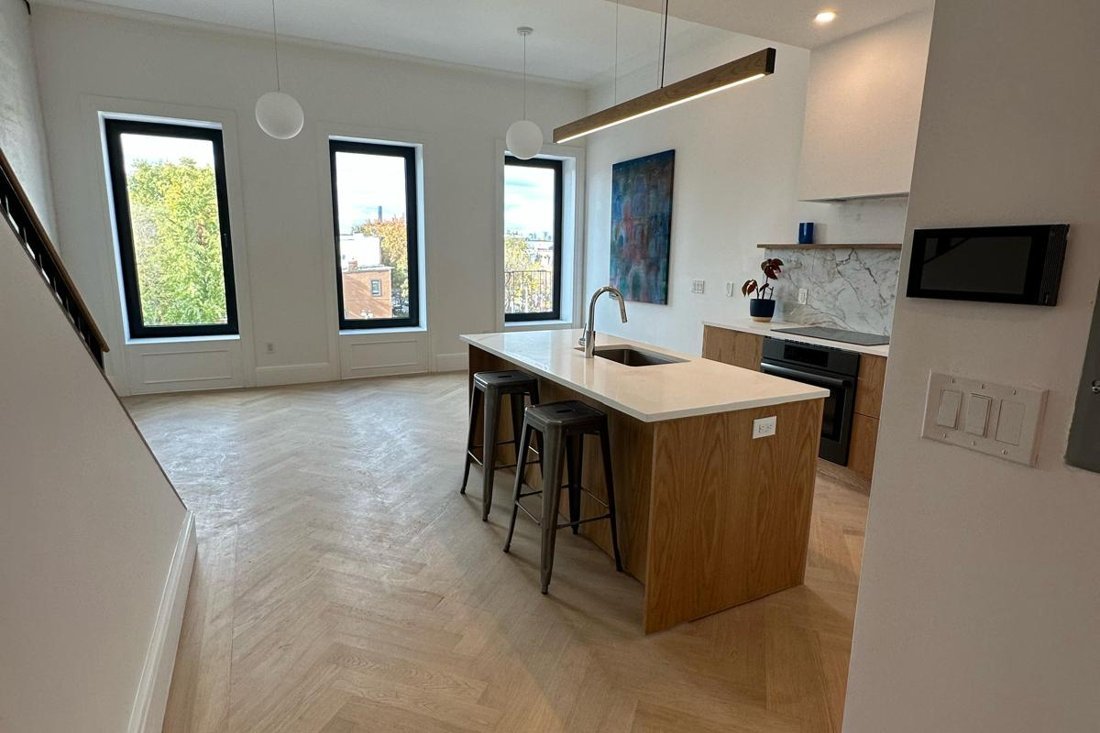
- Installing new flooring over an existing floor
- Replacing cabinets or fixtures in the same location (like-for-like)
- Minor, non-structural finish work such as trim or built-ins
The gray area is bigger than people think, though. A "simple" kitchen or bathroom update often involves moving plumbing or electrical, which pushes it straight into permit territory. Swapping a sink in the same spot is one thing; relocating it, adding a line, or moving a wall is another. When in doubt, it's cheaper to ask before you start than to unwind it later.
03The two approvals people forget
Beyond the standard DOB permit, two NYC-specific approvals catch homeowners off guard:
Landmarks Preservation Commission (LPC). If your home is in a designated historic district, and large parts of Brooklyn, Manhattan, and other areas are, you need LPC approval before any visible exterior work. That covers facades, stoops, windows, and more. This is separate from and on top of DOB permits, and it applies even to work you might think of as simple maintenance.
Licensed and registered contractors. In NYC, home improvement contractors must be licensed by the Department of Consumer and Worker Protection (DCWP), and for permitted work the contractor pulls the permit. Before hiring, it's worth verifying the license through the DCWP, because using an unlicensed contractor for permitted work is a common and expensive mistake that can leave you holding the liability.
04What the permit process actually looks like
For work that needs a permit, the path usually runs like this:
- Design and plans. For anything structural or involving systems, a licensed architect or engineer draws up plans and files them with the DOB.
- Plan review and approval. The DOB reviews the filing for code compliance. Landmark properties need LPC sign-off first.
- Permit issued. Once approved, the permit is issued and work can legally begin.
- Inspections. At key stages, the work is inspected to confirm it meets code.
- Sign-off and close-out. When the work passes final inspection, the permit is closed out. This last step matters more than people realize, because an open permit causes the same headaches at resale as no permit at all.
Timelines vary widely depending on the scope and whether Landmarks is involved. A straightforward filing can move quickly; a landmark facade project can take months before a shovel moves.
05What happens if you skip the permit
This is where people get burned. Renovating without a required permit can lead to:
- Stop Work Orders. The DOB can halt your project mid-renovation, leaving you with a torn-apart home and no legal way to continue until it's resolved.
- Fines and penalties. Unpermitted work can trigger violations that accrue until corrected, and clearing them often costs more than the permit would have.
- Forced removal of work. In some cases you may have to undo or redo completed work to bring it into compliance, paying twice for the same result.
- Resale and refinance problems. Unpermitted, open work shows up during a sale or refinance. Buyers, their attorneys, and title companies flag it, and it can delay or kill a deal until it's legalized.
- Insurance issues. If something goes wrong with unpermitted work, a fire or a flood traced back to it, your insurer may deny the claim entirely.
The math almost never favors skipping the permit. The permit and filing cost is small next to a stop work order, a legalization after the fact, or a stalled home sale.
06How to hire the right contractor
The contractor you choose is what makes a permitted renovation smooth or painful. A few things worth checking before you sign:
- Verify the DCWP license yourself rather than taking their word for it
- Confirm they carry insurance, both liability and workers' compensation, and ask for a certificate
- Make sure they pull the permits. If a contractor suggests working without permits to save money or time, that's a red flag, because the liability lands on you, not them
- Get the scope, price, and payment schedule in writing before work begins, and avoid large upfront payments
- Ask for recent local references and, ideally, addresses of similar work you can look at
Frequently asked questions
Do I need a permit to renovate a kitchen or bathroom in NYC?
How long does it take to get a DOB permit?
What happens if I already did work without a permit?
Can I pull the permit myself as the homeowner?
Not sure if your project needs a permit?
At Pioneer Construction NYC we handle renovations across the five boroughs, and we manage the permit and filing process as part of the job, so your project is legal, passes inspection, and won't come back to haunt you at resale. If you're planning a renovation and aren't sure what it requires, we'll walk you through it before you commit.